12 October 2026
Choosing the Right Garage Door Accessories in Parker Made Easy
Presented by @andyqmoz175
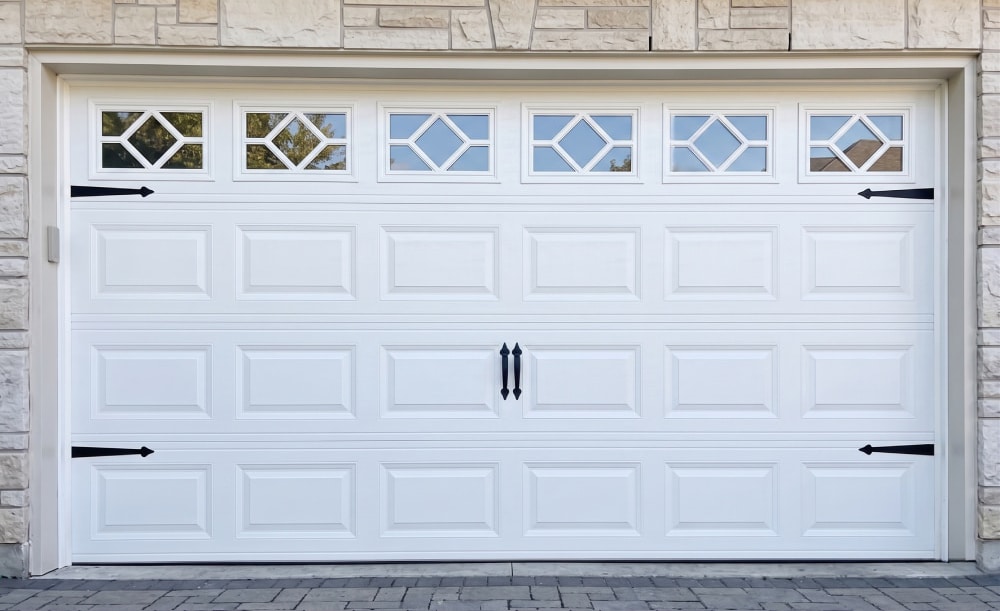
A garage door is one of those home systems people tend to ignore until it starts acting up. The panels get most of the attention, and the opener usually gets blamed when something fails, but the accessories around the system often determine how convenient, safe, and durable the whole setup feels day to day. In Parker, where weather swings, dust, hail, and regular vehicle traffic all play a part, those add-ons matter more than many homeowners realize.
I have seen two homes with nearly identical garage doors perform very differently over time because one owner invested in the right accessories and the other treated every extra item like a luxury. The difference showed up in noise levels, battery backup reliability during outages, how well the door sealed against winter drafts, and whether the family could trust the door to work when they were rushing out at 6:45 on a cold weekday morning.
If you are shopping for Garage Door Accessories Parker homeowners commonly ask about, the best approach is not to grab every upgrade on the shelf. It is to match accessories to the way your garage is actually used. A detached workshop has different needs than an attached two-car garage under a bedroom. A household with teenagers driving in and out all day has a different risk profile than an empty-nester couple that uses the front door more than the garage.
The good news is that choosing well is not complicated once you know what each accessory really does, where it pays off, and where it is mostly marketing.
Start with how your garage functions
Before looking at remotes, keypads, smart features, or weather sealing, step back and think about what role the garage plays in your home. In many Parker neighborhoods, the garage is not just a parking spot. It is a main entry, storage room, tool area, sports equipment hub, and sometimes a home gym. That matters because accessories should solve actual problems, not imagined ones.
For example, if your garage sits below a living space, noise control accessories can be worth every dollar. If your garage faces strong sun or wind exposure, sealing and insulation-related upgrades deserve more attention. If you travel often or manage deliveries remotely, smart controls and camera integrations move up the list quickly.
A homeowner once told me he regretted spending heavily on a premium decorative hardware package while ignoring a failing bottom seal and old safety sensors. Within months, snowmelt and debris were getting under the door, and the opener started misbehaving because the sensors were inconsistent. The decorative hardware looked nice, but it was not solving the real issues.
That is the pattern to avoid. Choose accessories in order of function first, convenience second, and appearance third.
The accessories that usually matter most
Some upgrades consistently deliver value across most homes. These are the items that improve safety, reduce friction, and make the garage feel less like a mechanical headache.
Safety sensors and photo eyes
Modern garage doors rely on safety sensors to prevent the door from closing on a person, pet, or object. These devices are easy to take for granted until they drift out of alignment or get blocked by dust, bike tires, or a trash can nudged a few inches too far.
In Parker, garages often collect fine dust and debris, especially after windy stretches. That means sensors need to be kept clean and properly aligned. Replacing worn or unreliable sensors is not glamorous, but it is one of the smartest accessory decisions you can make. If your current sensors seem temperamental, do not assume the opener is the problem. Accessories at the sensor level are often the true weak link.
Wireless keypads
A good exterior keypad solves a surprisingly common household problem. Kids forget keys. Runners and dog walkers do not want to carry a remote. Contractors need temporary access. Guests arrive before you do. A keypad gives flexibility without forcing you to hide a house key under a planter, which is still more common than people admit.
The key is to choose a unit that holds up to sun exposure, temperature changes, and frequent use. Buttons should feel firm, the housing should seal well, and the backlighting should be readable at night without being flimsy. In Parker, where winter mornings can be dark and cold, cheap keypads tend to show their limits fast.
Remote controls
Not all remotes are created equal. People often treat them as interchangeable, but range, signal reliability, and battery life vary more than expected. If your garage opens only when you are nearly in the driveway, or if signal interference is common in your area, an upgraded remote may improve daily use more than a major opener replacement.
For multi-driver households, it is worth standardizing remotes so everyone uses the same type. That sounds minor, but it cuts down on programming confusion and “which button is ours?” moments. Small friction points are the ones that turn into regular irritation.
Battery backup systems
Power outages in suburban areas may be occasional rather than constant, but when they happen, battery backup becomes instantly important. This is especially true if the garage is your primary way in and out of the house. A battery backup does not need to run the door endlessly. It just needs enough reserve to get you through a few cycles safely.
I have heard homeowners dismiss this accessory until the first time they are stuck outside late at night during a storm, or discover they cannot leave for work because the door will not open. That is not the moment to decide battery backup would have been useful.
Weather seals and threshold seals
This category is easy to overlook because it does not feel technical, but in Parker it can have a real impact. Bottom seals, perimeter weather stripping, and threshold seals help with dust, water intrusion, insect control, and temperature swings. They also reduce that visible daylight gap that tells you conditioned air is leaking and debris is getting in.
An old bottom seal can harden, crack, or flatten over time. Side and top seals can warp or detach. Replacing them is often one of the most cost-effective improvements Garage Door Accessories Parker available, especially if your garage doubles as storage or workspace.
Smart garage accessories are useful, but only when they fit your habits
Smart home compatibility gets plenty of attention, and for some households it is genuinely helpful. Phone-based open and close control, activity alerts, guest access settings, and integration with delivery or security systems can all make life easier. But these features are only valuable if they match the way you live.
A homeowner who travels frequently may appreciate being able to check whether the garage door was left open and close it remotely. A family with older children may want notifications every time the door opens after school. Someone who receives packages in the garage might want controlled access windows.
On the other hand, if you prefer simple systems, rarely use apps, and get frustrated by device pairing issues, a smart add-on can become one more thing to troubleshoot. I have met homeowners with sophisticated smart systems who eventually disabled half the features because the alerts became noise instead of help.
The smartest choice is not always the most connected one. It is the one you will actually use.
Matching accessories to Parker’s conditions
Local conditions should shape your choices. Parker’s mix of cold winters, sunny days, dry air, and periodic storms affects how accessories age and perform. Materials matter more here than they might in a milder, more stable climate.
Rubber seals, plastic housings, adhesive-backed accessories, and exposed electronic components can all wear differently with strong UV exposure and seasonal temperature shifts. If an accessory seems unusually cheap, look closely at what it is made from and whether it is rated for outdoor use in variable weather. The lowest price often buys the shortest service life.
This is especially true for external keypads, motion lights near garage entries, and lower-end smart cameras mounted in garages with heat buildup in summer and cold snaps in winter. A product can look fine on day one and still disappoint within a year if it was not designed for that environment.
When shopping for Garage Door Accessories Parker residents should ask practical questions. How will this hold up in cold weather? Will dust affect performance? Is the battery easy to replace? If a part fails, can it be serviced, or does the whole unit get tossed? Those answers matter more than polished packaging.
Quiet operation is often worth paying for
One of the most underappreciated accessory categories is vibration and noise reduction. This becomes especially important in attached garages. If a bedroom sits above or next to the garage, the difference can be dramatic.
You do not always need a new opener to cut noise. In some cases, the real improvements come from nylon rollers, vibration isolators, better hinges, proper lubrication products, and opener accessories designed to reduce transfer into the framing. Older steel rollers can rattle loudly, while nylon rollers generally run smoother and quieter. That alone can transform the feel of the system.
There is a trade-off, though. Quiet accessories still need to be durable and compatible with the existing hardware. The right upgrade is based on the track, spring balance, opener type, and weight of the door. This is where generic online buying can go sideways. A quiet roller kit that works beautifully on one door may be a poor fit on another.
Security upgrades that actually help
Garage security deserves more respect than it gets. For many homes, the garage is one of the easiest access points to the house, especially when interior doors from the garage to the home are treated casually.
A few accessory choices can strengthen security without making daily use harder:
- rolling-code remotes that change the access code after each use
- exterior keypads with temporary or programmable guest codes
- smart controls that send open and close alerts to your phone
- manual slide locks or vacation lock features for extended trips
- motion-activated lighting near garage entry points
That list is short because security works best when it stays simple. The most secure accessory is the one people consistently use. An advanced feature set means very little if the keypad code is never changed, the remote is left visible in an unlocked vehicle, or notifications are turned off after the first week.
One practical tip from experience, if you use your car’s built-in transmitter or keep a remote in the vehicle, lock the vehicle every time, even when it is in the driveway. That sounds obvious, but it is one of the easiest habits to neglect.
Decorative accessories should support the style of the house
Not every accessory needs to be about mechanics or electronics. Decorative handles, strap hinges, clavos, and trim enhancements can make a plain garage door look far more intentional. Since garage doors often take up a big portion of the front elevation, those details can influence curb appeal more than homeowners expect.
Still, decorative hardware should fit the architecture. Faux carriage hardware can look excellent on certain homes and oddly forced on others. Clean-lined contemporary homes usually look better with restraint. Rustic details suit some facades beautifully, but too much ornament can make the door feel costume-like rather than refined.
This is one area where restraint usually wins. A modest, well-matched decorative upgrade often looks more expensive than a heavily accessorized door that is trying too hard. If you are unsure, step into the street, photograph the whole front of the house, and judge the door in context rather than up close.
When accessories are better than replacement
A full garage door replacement gets attention because it is visible and dramatic, but many performance issues can be improved with targeted accessory upgrades. If the door itself is structurally sound and the opener is still in decent shape, accessories may deliver much of the benefit for a fraction of the cost.
That might mean replacing worn weather seals, upgrading remotes and keypad access, adding a battery backup, swapping to quieter rollers, and refreshing safety sensors. For many homes, those changes address the most common complaints: noise, drafts, unreliable access, and inconvenience.
Here is a simple way to think about it:
| Concern | Accessory upgrade may help | Full replacement may be better | |---|---|---| | Door is noisy but structurally sound | Rollers, hinges, vibration reduction, lubrication-compatible parts | If the door is warped or heavily damaged | | Door lets in dust or water | Bottom seal, perimeter seal, threshold seal | If the door or frame is badly out of square | | Access is inconvenient | New remotes, keypad, smart controller | Rarely necessary just for convenience | | Safety features are outdated | New sensors, lighting, lock Garage Door Accessories Parker features | If the opener system itself is obsolete | | Appearance feels dated | Decorative hardware, trim updates | If the door style fundamentally clashes with the home |
The judgment call comes down to the condition of the core system. Accessories can do a lot, but they cannot fix a cracked panel, a failing spring system, or badly deteriorated tracks.
Compatibility matters more than people expect
One of the most common mistakes homeowners make is buying accessories before confirming compatibility. Garage door systems are part mechanical, part electrical, and part brand-specific ecosystem. Not every remote works with every opener. Not every smart controller plays nicely with every legacy motor unit. Not every roller or hinge belongs on every door.
This is where frustration builds fast. Someone buys a smart controller online because the listing says “universal,” then spends an afternoon trying to pair it with an older opener, only to learn later that extra interface hardware is needed or full functionality is not available.
Before buying, check the opener brand and model, the age of the system, whether existing safety sensors meet current expectations, and whether any warranty terms could be affected. If the system is older, it is worth talking to a local professional rather than assuming all accessories are plug-and-play.
A brief compatibility check can save time, return shipping, and repeated trips up and down a ladder.
What is worth spending more on
Not every accessory justifies a premium price. Some do.
If I were prioritizing based on long-term payoff, I would spend more confidently on weather-exposed electronics, battery backup systems, quality safety components, and durable rollers or other moving hardware. Those items affect reliability and are painful when they fail early.
I would be more price-sensitive with purely decorative hardware, extra remotes beyond what the household truly needs, or novelty smart features that sound useful but have no clear purpose in your routine.
This is also where installation quality enters the picture. A great accessory installed poorly will underperform. A keypad mounted carelessly, sensors set slightly off, or seals fitted unevenly can make a good product seem bad. Accessories do not exist in isolation. They rely on proper setup to do their job.
A practical buying approach
The easiest way to avoid overspending is to evaluate your current garage honestly. Open and close the door a few times and pay attention. Is it loud? Does it hesitate? Do you feel a draft near the floor? Does the keypad work reliably? Does the remote respond from the street or only from a few feet away? Is there enough lighting when you enter at night?
Then rank your issues by frequency and consequence. A cosmetic annoyance can wait. A safety concern should not. A weather-sealing problem that affects stored belongings may be more urgent than a decorative update. Convenience upgrades often make the most sense after the basics are handled.
If you are unsure where to begin, this short checklist helps:
- address safety issues before convenience or appearance
- fix sealing and environmental problems before adding gadgets
- verify compatibility before purchasing any electronic accessory
- choose materials suited to Parker’s temperature and sun exposure
- invest where failure would be disruptive, not merely annoying
That order prevents the common mistake of polishing the experience while neglecting the fundamentals.
Why local guidance can make the process easier
There is a reason homeowners often feel overwhelmed when shopping for garage door accessories. Online listings flatten everything into star ratings and broad claims, but local conditions and specific garage setups create the real context. In Parker, a recommendation that sounds right in theory may not be the best fit in practice.
Local professionals tend to recognize patterns quickly. They know which keypad housings hold up, which seals perform better on uneven concrete, which opener families pair cleanly with certain smart accessories, and which “universal” products generate callbacks. That kind of field knowledge is hard to replace with product descriptions.
Even if you like handling basic installs yourself, getting expert input on the selection stage can be useful. A ten-minute conversation about your opener model, garage layout, and primary pain points can narrow the field considerably and keep you from buying something that solves the wrong problem.
The right accessory package should feel almost invisible
When garage door accessories are chosen well, you stop noticing them. The keypad works when your hands are full. The remote responds from the end of the drive. The weather seal keeps dust where it belongs. The battery backup quietly waits for the day you need it. The door runs with less rattle and fewer complaints from the bedroom above.
That is the standard to aim for. Not the longest feature list, not the flashiest smart integration, and not the cheapest cart total. The best Garage Door Accessories Parker homeowners can choose are the ones that fit the door, fit the climate, and fit the way the household actually lives.
A garage door is used so often that even small improvements carry real value over time. Better access, lower noise, stronger sealing, and dependable safety features add up quickly. Choose with purpose, and the whole system becomes easier to trust every single day.
Select Garage Doors
11479 Pine Dr
Parker, CO 80134, United States
Phone: (303) 228-0018
FAQ About Garage Door Accessories Parker
Where can I find garage door accessories?
Garage door accessories are available from garage door service companies, authorized dealers, home improvement stores, and specialist suppliers. Select Garage Doors supplies and installs accessories for homeowners in Parker, including compatible remotes, wireless keypads, weather seals, and smart controls. Check your opener model and door specifications before choosing a replacement or upgrade.
How to make a garage door more attractive?
Cleaning the door, refreshing a manufacturer-approved finish, and choosing coordinated decorative handles or hinge accents can improve its appearance. Compatible window inserts may also change the look of an existing window section. Match accessories to the door material and style, and make sure added hardware does not interfere with movement, seals, or safety equipment.
Where can I buy garage door inserts?
Decorative window inserts can be sourced through the door manufacturer, an authorized garage door dealer, or a supplier that carries parts for your specific door series. Match the model, window frame dimensions, and attachment system; inserts are not universally interchangeable. Ask a professional to confirm compatibility before ordering, especially if the work involves glass or changes to a door section.